The Skirt-and-Top Equation: Proportion Rules That Make Every Skirt Work
Every skirt outfit is an equation — the volume up top against the volume below, the length against the waist placement — and the skirts that ‘don’t work’ are usually unsolved math. The skirt-proportion guide: the principle, the matrix and the waist.
The Volume-Balance Principle
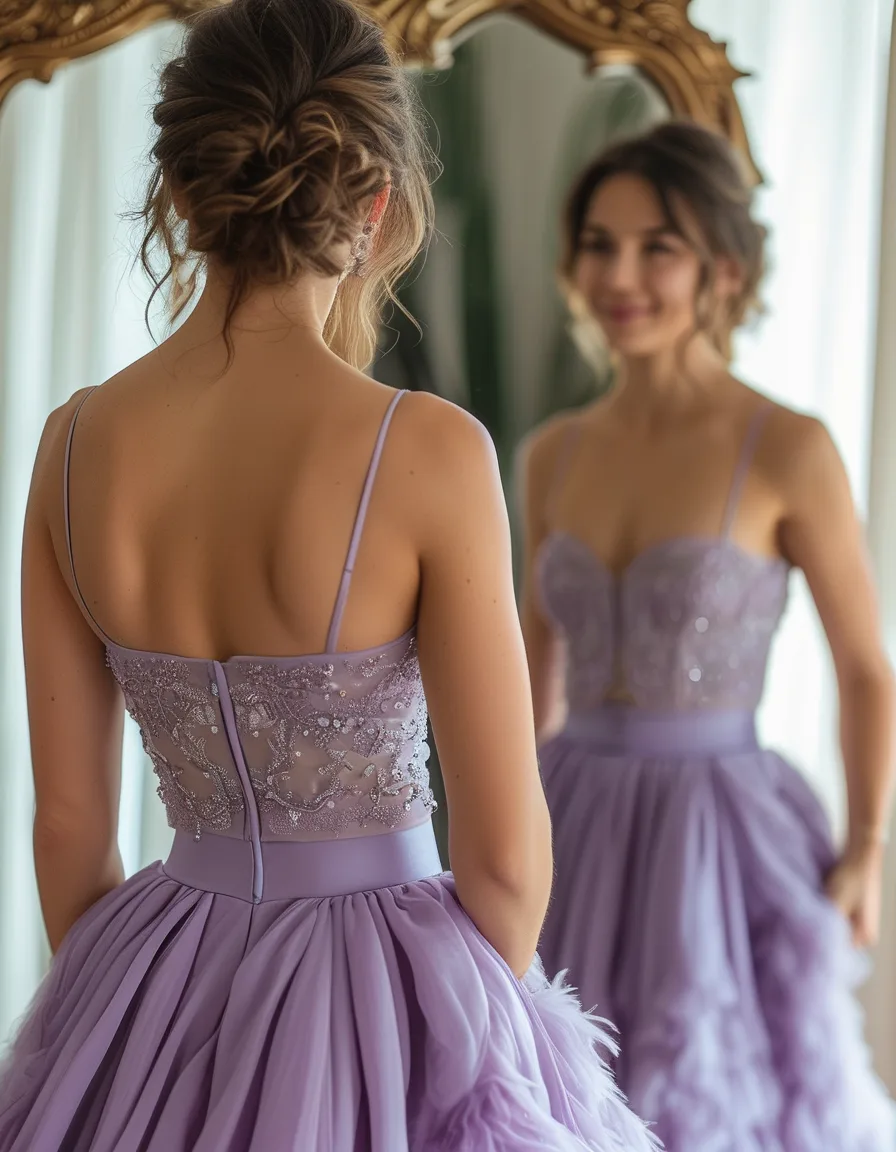
The core equation: the seesaw law (the full skirt wanting the fitted top — the slim skirt carrying the volume top; the one-volume-at-a-time default per the proportion logic), the deliberate exceptions (the volume-on-volume worn as a STATEMENT — the oversized-shirt-and-full-skirt editorial move; the intention requirement per the statement logic; the belt rescue per the belt logic), the fabric-weight interaction (the volume being weight as well as width — the airy fullness versus the structured fullness reading differently), the eye-path design (the outfit read top to bottom — the balance deciding where the eye rests per the visual logic), and the photo test (the equation checked by camera — the mirror forgiving what the photo won’t per the fit-photo logic).
The Length-and-Top Matrix
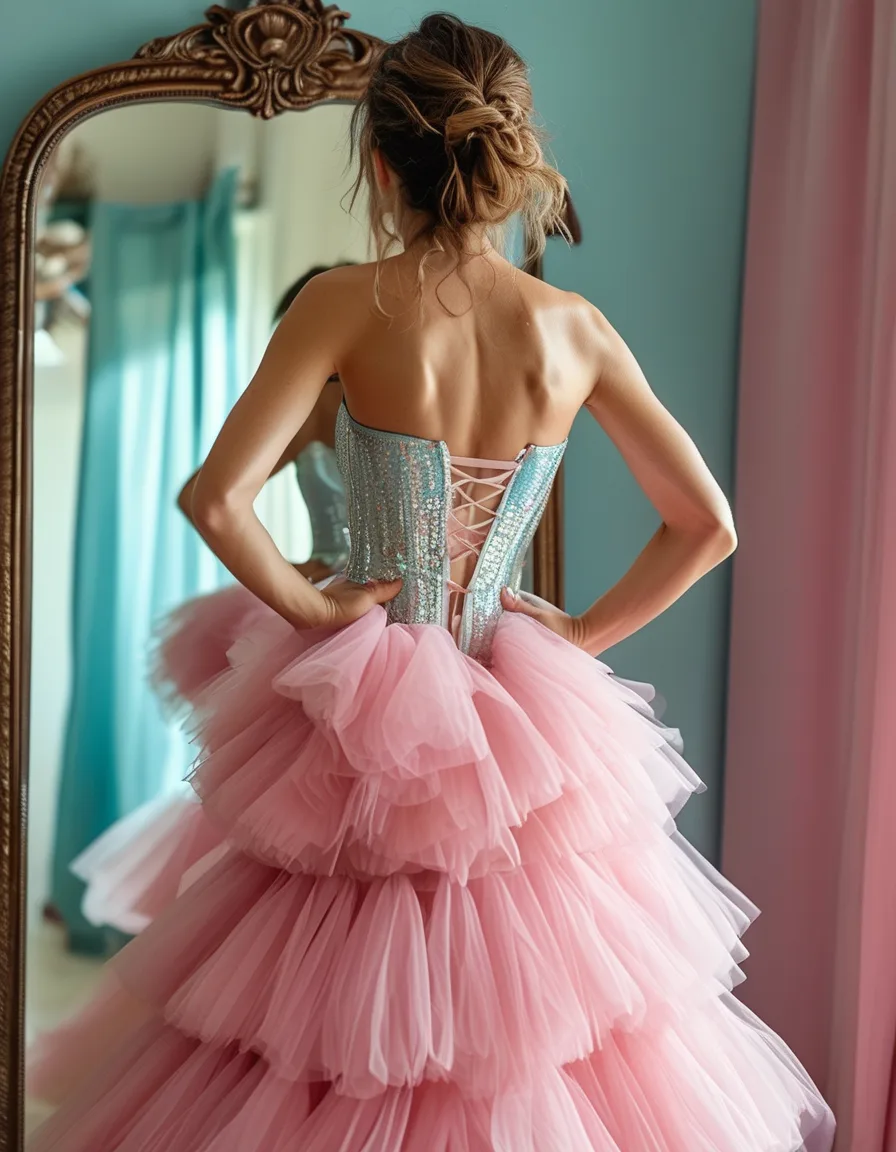
Combination by combination: the mini equation (the short skirt with the covered top — the leg-or-neckline choice per the balance logic; the oversized-knit-and-mini being the classic; the tights-and-boots modesty dial per the coverage logic), the knee-length pairings (the most flexible length — the tucked, fitted and cropped tops all working; the workwear center per the hemline logic), the midi mathematics (the trickiest length wanting the most deliberate top — the fitted-or-tucked law per the pleats logic; the crop-top-with-high-waist-midi being the proportion cheat; the waist visible being the midi’s rescue per the hemline logic), the maxi equation (the floor length with the fitted-or-tied top — the volume anchored; the slit-and-wrap escapes per the hemline logic), the slip-skirt specifics (the bias slip with the knit-or-tee contrast per the slip logic — the texture equation), and the denim-skirt casual (the denim’s rough note balancing sweet tops per the denim-skirt logic).
The Waist-Placement Mastery
Where the equation is set: the waistline as the fulcrum (the skirt’s rise deciding the proportions — the high-waist lengthening legs, the drop-waist lengthening torso; the placement chosen per the proportion logic), the tuck techniques (the full-tuck, front-tuck and half-tuck tools — the blousing craft: the tucked top lifted slightly for ease per the tuck logic), the belt punctuation (the waist MARKED when the equation blurs — the belt logic on skirts; the tonal-versus-contrast decision), the layer interaction (the cropped jacket respecting the waistline — the longline layer worn OPEN over the shown waist per the outerwear logic), the untucked exceptions (the deliberately-untucked fitted top at hip length — the clean-line alternative; the sloppy-untucked distinction per the intention logic), and the closing frame (the skirt math solved at three points — the volume balanced, the length paired, the waist placed; the every-skirt-workable promise; the equation, learned once, styling forever). One volume at a time, waist as the fulcrum, photo to verify: the skirt equation, solved.
Every skirt outfit is math: one volume at a time (full skirt, fitted top — and the deliberate double-volume statement needs a belt), midis demand the tucked-or-fitted law with a visible waist, minis pair with covered tops. The waistline is the fulcrum — high-waist lengthens legs, the tuck-and-belt toolkit sets it — and the photo test catches what the mirror forgives.
Keep Reading
This article is for general styling and informational purposes only. Trends, sizing, availability and pricing may vary by brand and season.